
Medium Custom Domain Feature Returns
Build Your Own Domain Authority!
[2024/07/28] Feature Return
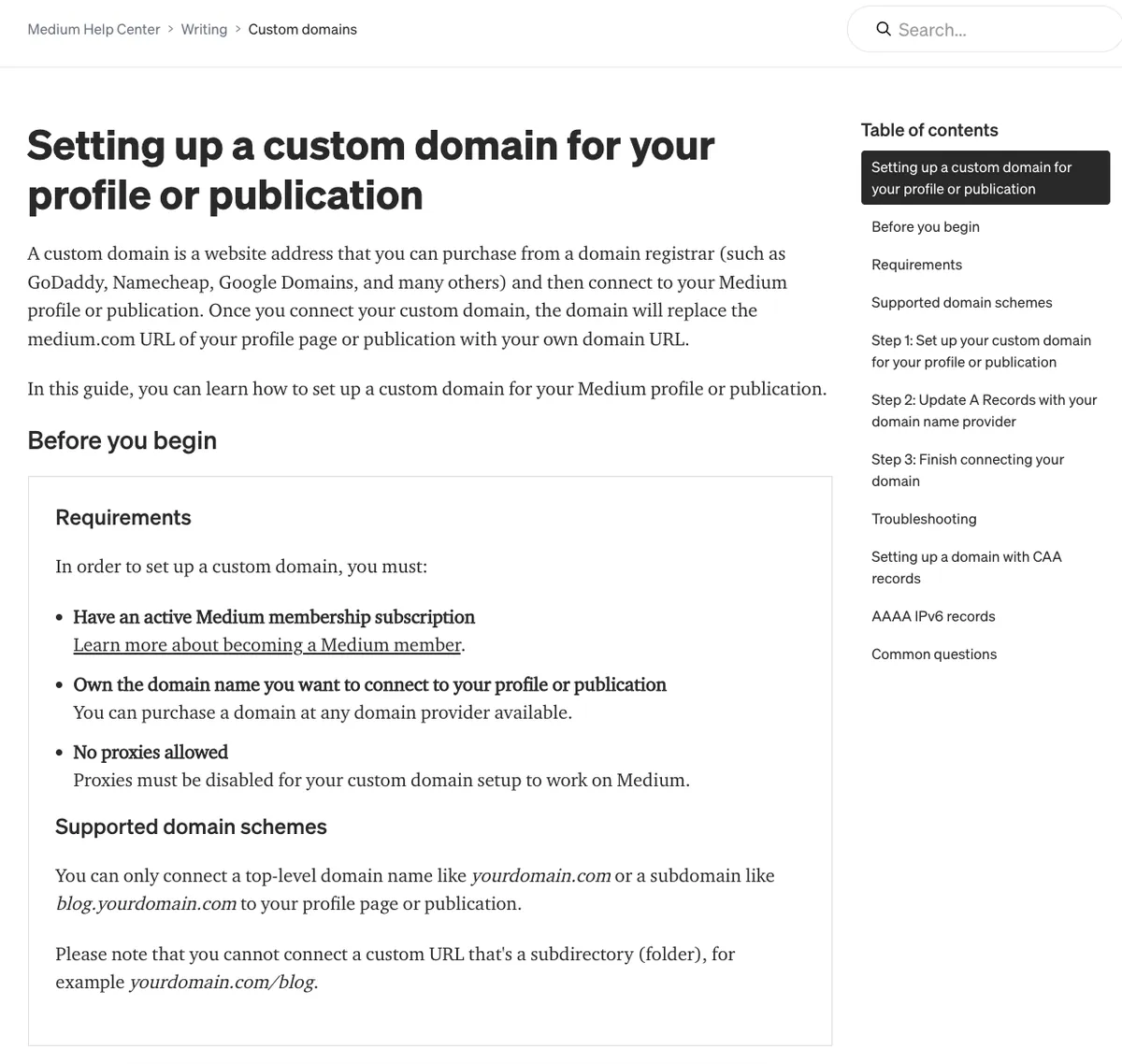
Setting up a custom domain for your profile or publication
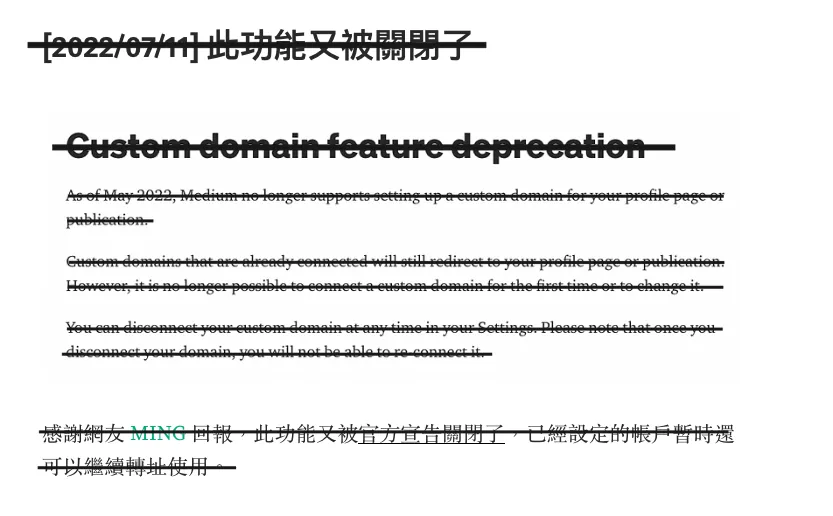
This feature has had a bumpy history: it was launched in 2012, then closed; reopened in 2021, and announced closed again in 2022. Recently in 2024, it returned, and the official documentation has been fully updated. You can refer to the latest official guide for setup, and for domain registration instructions, see this article.
Everyone should set it up quickly while it’s available, as the official service might close again someday; already set custom domains will not be affected.
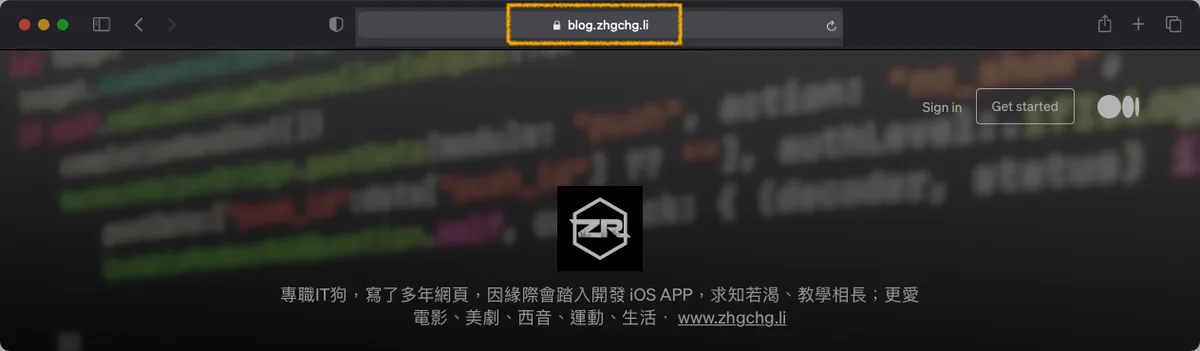
I set up https://blog.zhgchg.li back in 2021. Although the official custom domain feature was disabled in between, it still works and has been functioning properly until now.
Breaking News!

The official Medium blog announced on 2021/02/17 that creators can once again link their own domains! This feature supports both creator Profile pages and Publications.
What is a “Custom Domain”
To ensure readers from non-technical backgrounds can follow, here is a brief explanation of what a custom domain is.
A domain is like an address in the online world. When I enter the address Medium.com, it takes me to Medium. Now creators can customize their own domain, meaning you can register the address you want and link it to your Medium account to replace the original address. For example, using blog.zhgchg.li as the address will also lead to my Medium.
History
Research shows that this feature was available around 2012, with a one-time setup fee of $75. However, by the time I started writing on Medium (2018), the service had already been discontinued. Existing users were not affected, so sometimes you see domains that are custom but the site is still Medium, which is pretty cool. I heard it was removed shortly after launch, and I guess it was due to business reasons—custom domains reduce Medium’s brand recognition.
Benefits
-
Recognition: Custom domains provide many benefits to creators, the most direct being recognition. Instead of medium.com/@xxxx, your domain will show your name directly, e.g., zhgchg.li/
-
Flexibility: If you want to move your site from Medium to a self-hosted website later, you can redirect the original links straight to the new site.
-
Domain Authority: Related to SEO ranking, you can build your domain authority through Medium, so you won’t lose SEO value when switching to other platforms in the future.
Disadvantages
- You will no longer benefit from the high Domain Authority SEO ranking of medium.com, which may significantly affect search traffic initially.
Rules
I found that if an article is added to a Publication without a Custom domain set for the Publication, and the Publication does not use the Profile’s Domain, the article link or share link will revert to the default medium.com URL.
My Setup
Here is an example of my setup for your reference.
- Profile page: blog.zhgchg.li (I only use the subdomain
blog.zhgchg.libecause the main domain serves other purposes)
I originally set up a Publication page but later removed it because I have few followers and limited organic traffic. I rely heavily on search engines like Google for traffic. If the Publication page uses a Custom Domain, the article links will use my domain, which is still new and ranks very low in search results, attracting little traffic.
Setting only the Profile without the Publication has an advantage: the original Medium link can still be indexed by Google. Additionally, you can create another path with your own domain link, achieving the best of both worlds. This way, you won’t lose your original traffic while gradually building your domain’s Domain Authority.
Suitable Audience
Building domain authority from scratch takes a long time to accumulate; I think this feature is best suited for those who already have a website service (e.g., musicplayer.com). If you want to build a community, you can use Medium directly, and in that case, the domain can be (blog.musicplayer.com).
1 is to write articles directly on the Medium platform (which currently offers more and more customization features), 2 is that your own domain already has DA, so it won’t affect SEO much.
Pricing
Domain section:
Purchase a domain of your choice from Namecheap (used as an example here) or Godaddy. Common .com domains usually cost around NT$200–500 per year; prices vary based on the domain extension and length, with rare ones sometimes costing millions or even billions.
Domain registration follows a first-come, first-served policy. Unless the domain name is trademark-protected in that region, the only way to reclaim it is through legal means. Otherwise, whoever registers it first wins, and you can only negotiate to buy it from them. This has led to a type of investment (domain squatting) where people register many domains to hold them unused, waiting for others to buy.
Domains require annual renewal or can be purchased for multiple years at once; there is no lifetime ownership. If not renewed, after the grace period the domain will be released and available for anyone to register again.
However, friends who want to manage Medium probably won’t face domain squatting issues, as most users are individuals. I registered using my online account zhgchg.li, and no one had registered it before. If you happen to encounter a duplicate, you can change the suffix, such as .div, .net, etc.
The suffix options can refer to the List of Internet Top-Level Domains, but not all listed domains are available for registration. Availability depends on the regulations of the domain’s country. Also, reseller platforms (such as Namecheap, GoDaddy, etc.) may not offer every suffix.
For example, my .li domain is from Liechtenstein. Currently, there are no identity requirements for registrants, so anyone or any company can register; and only Namecheap still sells it.

What are the benefits of having the surname Li?
By the way, my domain zhgchg.li is an example of a Domain Hack; a better example is google => goo.gl.
Medium part:
The one-time $75 setup fee has been removed, and now all Medium paid members can use this feature ( $5/month or $50/year ); but I actually preferred the original one-time fee QQ. Since I’m mostly a creator, I don’t really need the paid membership perks. The monthly or yearly fee is a bit painful for me, and I’m starting to consider joining the paywall plan Orz.
Update on 2021/04/05
If you first join the membership plan and set up a custom domain, then stop renewing the membership, what will happen?
Tested: Custom domains remain effective even after membership expires!
Getting Started
⭐️⭐️⭐️ The purchased domain can also be used for: Github Pages
For example, my domain:
1. https://zhgchg.li -> Used for Github Pages Jekyll Blog
2. https://blog.zhgchg.li -> Used on my Medium page
1. Purchase & Obtain a Domain (Using Namecheap as an example)
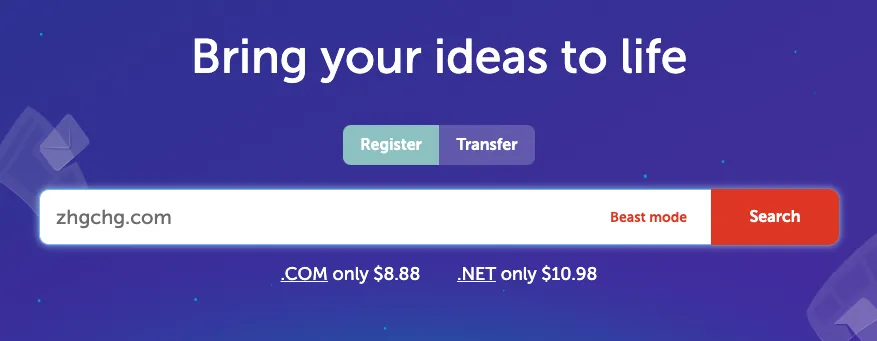
First, go to the Namecheap homepage and search for your preferred domain name:
Search results obtained:

The button on the right showing “Add To Cart” means the domain is still available and can be added to the cart for purchase.
If the button on the right shows “Make offer” or “Taken,” it means the domain is already registered. Please choose a different extension or try another domain name:

After adding to the cart, click the “Checkout” button below.

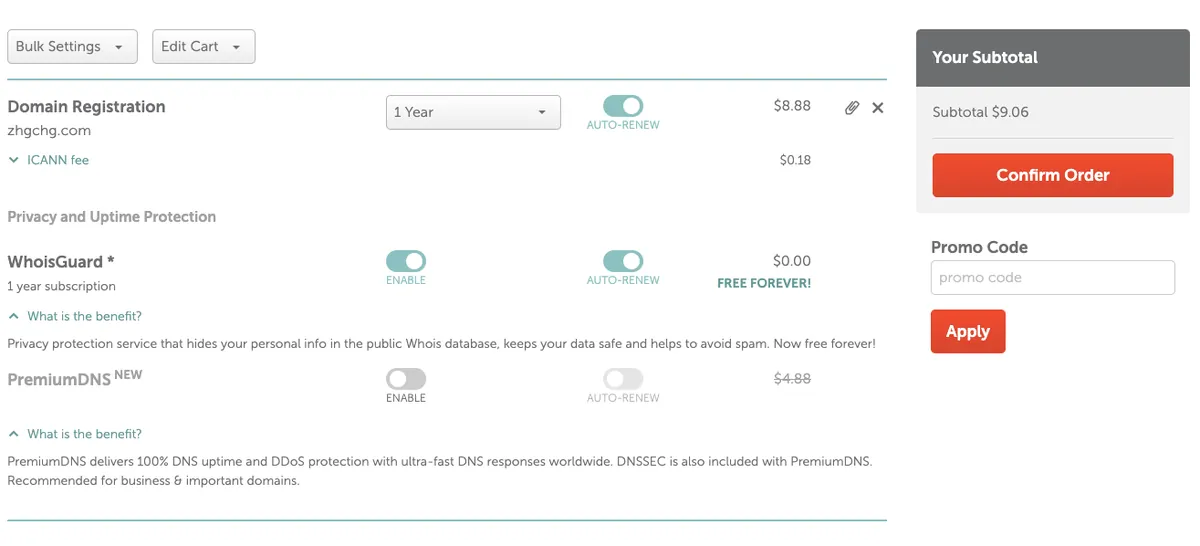
Go to the order confirmation page:
-
Domain Registration: Here you can choose
AUTO-RENEWfor automatic annual renewal, or select a one-time purchase for a set number of years. -
WhoisGuard: Since domain information is publicly accessible to anyone (registration date, expiration date, registrant, contact details), this feature replaces your personal info with Namecheap’s to protect your privacy and prevent spam.
(Some domain extensions may charge for this service; use it if it’s free!)
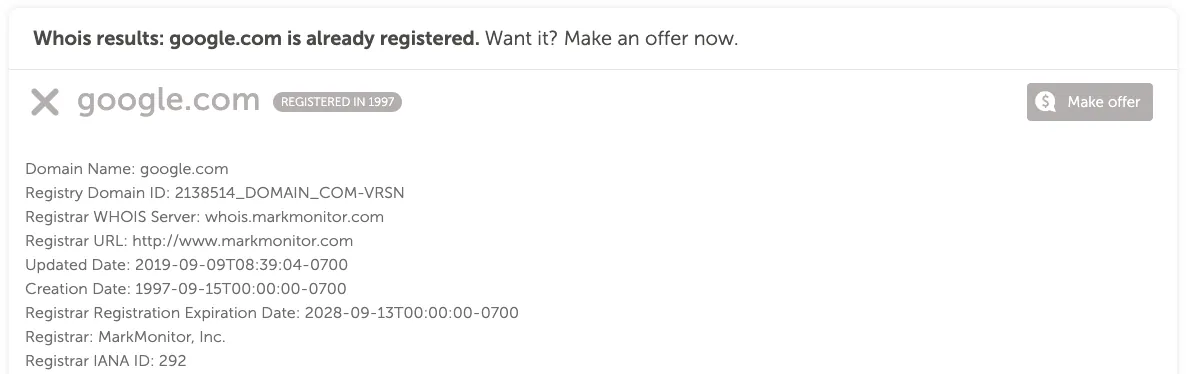
Here are some whois information results for google.com, which can be checked here.
- PremiumDNS: We know a domain is like an address plate, meaning people use it to find a location. This feature provides a more stable and secure “location finding” service. I think it’s unnecessary unless for a high-traffic e-commerce site where no errors are allowed.
After entering the credit card information, click “Confirm Order”
The purchase was successful afterward!
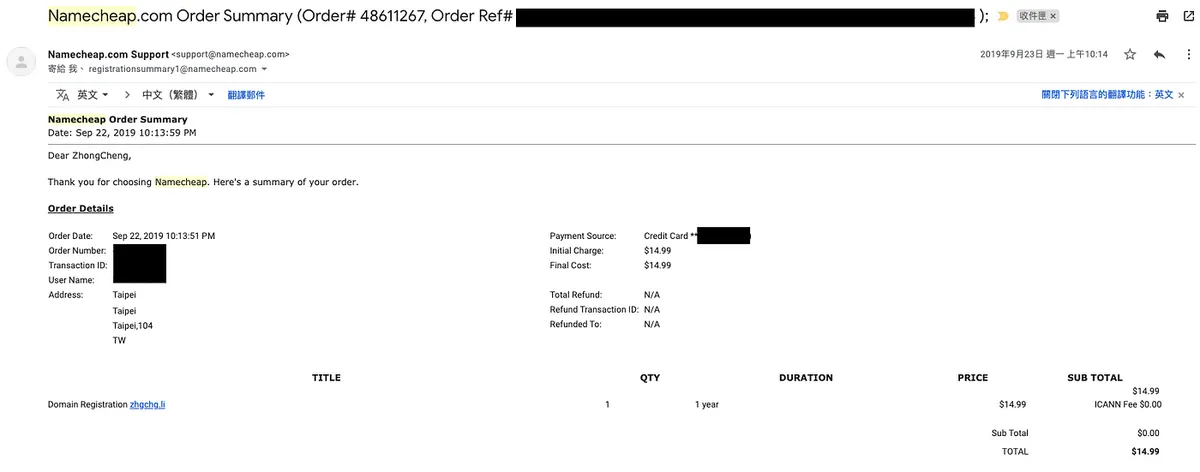
You will receive an order confirmation email.
2. Setting Up the Domain (Using Namecheap as an Example)
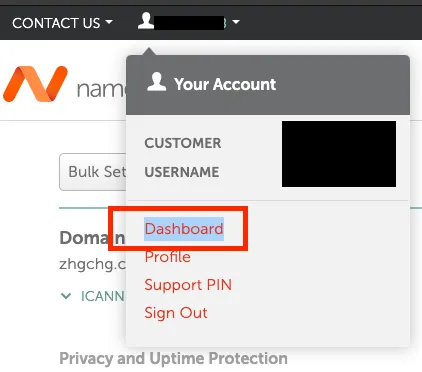
After logging in, click Account at the top left -> “Dashboard”
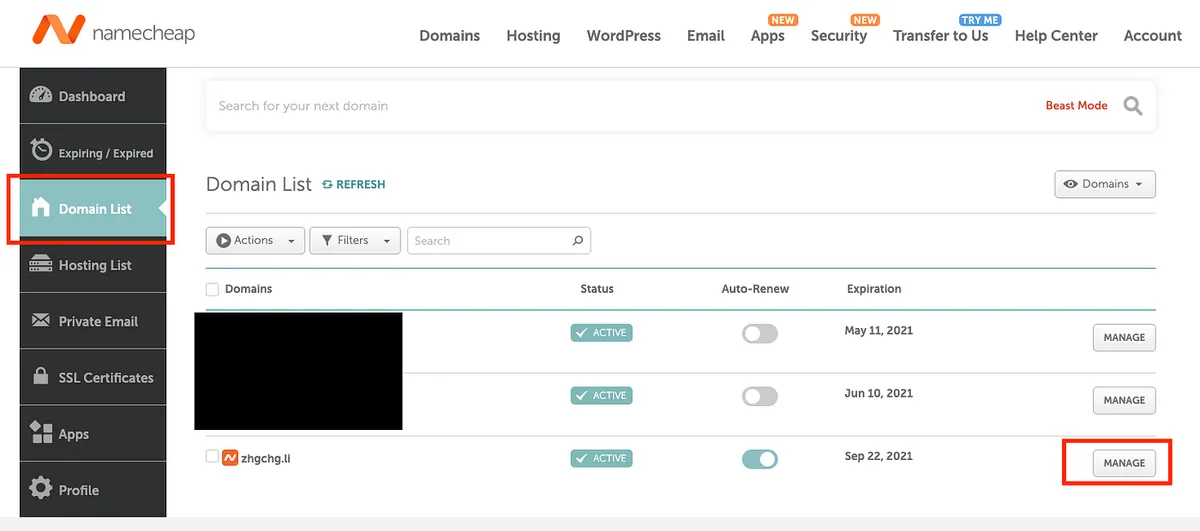
After entering the Dashboard, switch to the Domain List tab, find the domain you just purchased, and click Manage.
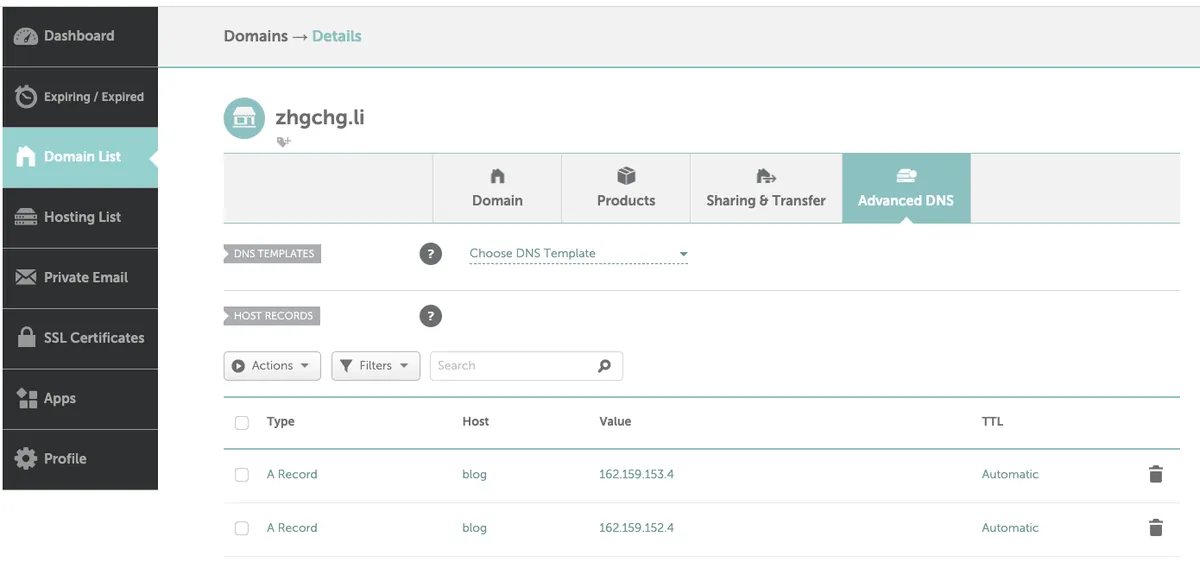
After entering, switch to the last “Advanced DNS” tab.
Keep it on this page for now, then return to Medium.
Go to Medium’s Settings page, find the “Custom domain” section under the “Profile” block, and click “Get started”.
For Publications, similarly go to the Publication’s “Homepage and settings” and find the “Custom domain” section at the bottom.
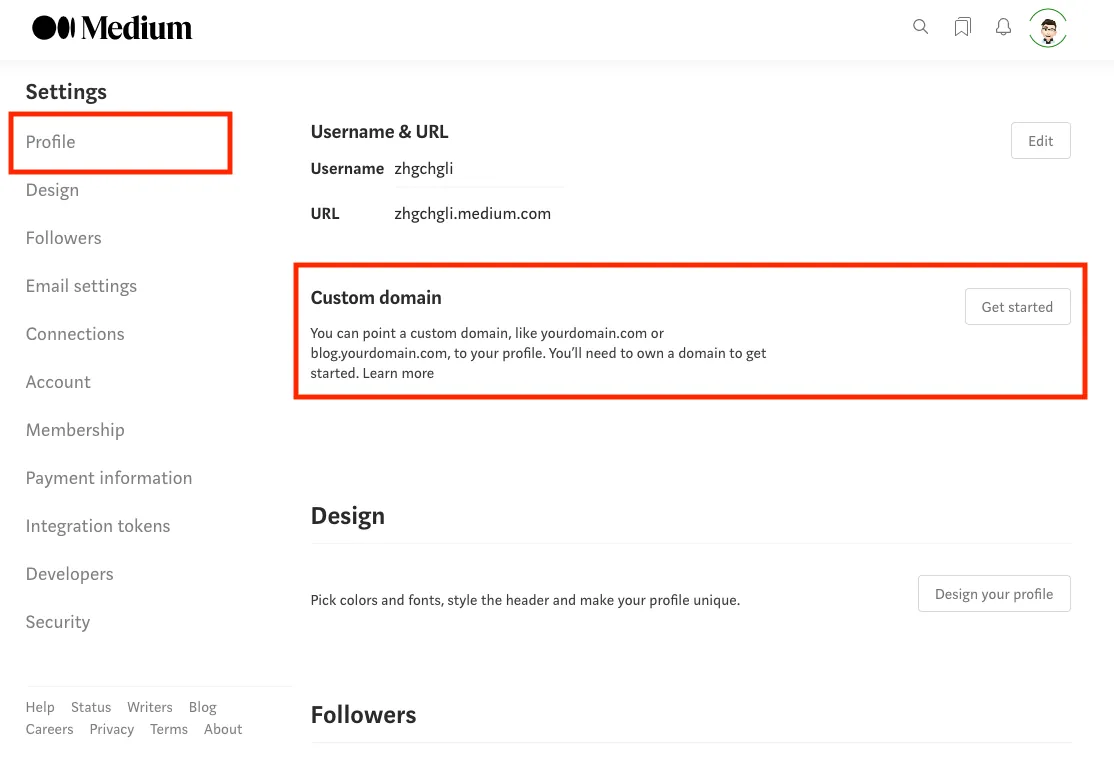
If “Upgrade” is displayed, it means you need to upgrade to a paid user to access this feature.
Enter the Settings Page:
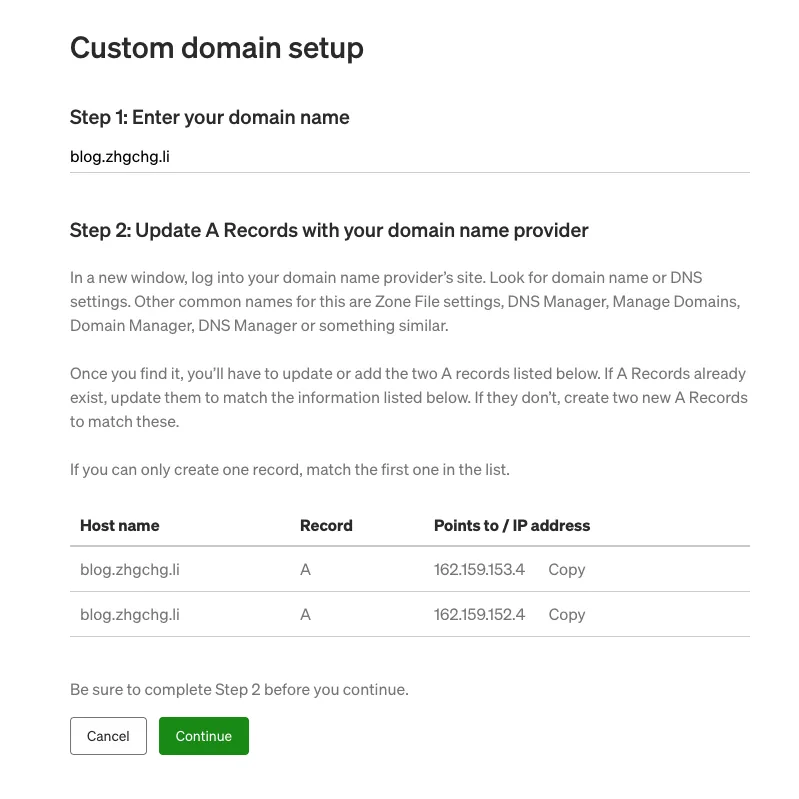
Enter your domain name, e.g., www.example.com
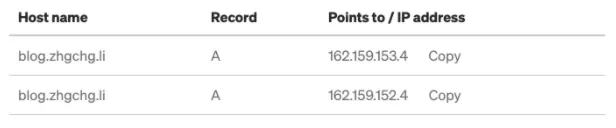
Remember the above information, then return to the Namecheap settings page.
In the “Advanced DNS” tab, find the “HOST RECORDS” section

Click the “ADD NEW RECORD” button below twice to display two new entry fields.

Enter the information from Medium:
-
Select “A Record”
-
If you are using the root domain (e.g., zhgchg.li), enter “www”. If you are using a subdomain like me, enter the subdomain name.
-
Enter the IP information as shown on Medium
Then click the “✔” on the right to complete the addition.
Check the “HOST RECORDS” section again for any existing records.
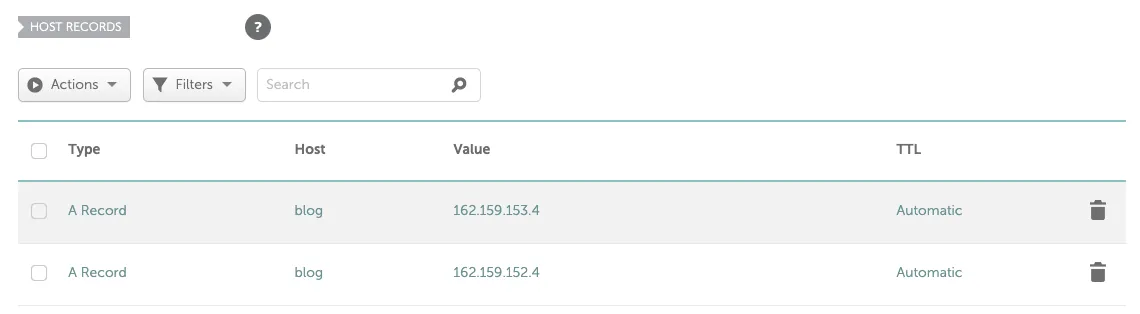
If set up on Namecheap, return to the Medium settings page.
Click “Continue” to proceed.
If you see the processing page, it means the setup is complete!
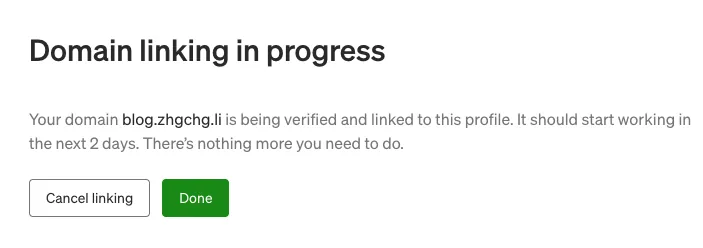
Here, it should be noted that DNS settings for domain binding may take up to 48 hours to fully take effect. The fastest time is not guaranteed; in my experience, it succeeded in 15 minutes. However, within 48 hours, you might be able to access it while others cannot.
Visiting the domain before activation will show a 404 error:

Things to Note
Links shared using a custom domain may become invalid if the custom domain is changed later.
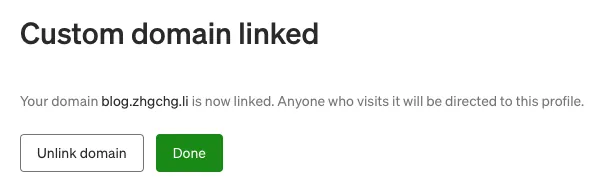
Minor Issues
As of 2021/02/24 when writing, the feature was still too new and had some issues that Medium needed to resolve:
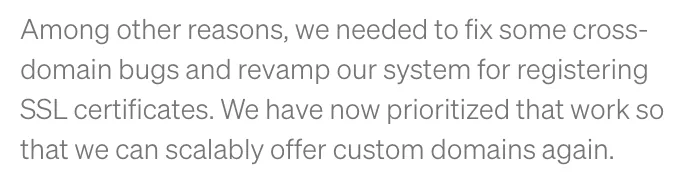
But I think it can already work 99% normally!
What happens if you cancel the paid membership… does it become invalid immediately?
Comments